What Is My Business Actually Worth? How Valuation Really Works
For most business owners, the question of value is deeply personal.
You've spent years, sometimes decades, building something from the ground up. You've made payroll during tough months, hired and trained good people, and reinvested in the business when it would have been easier not to. So, when it comes time to think about selling, it's natural to feel like all of that should count for something.
Business valuation is measured in data, market conditions, and deal structure. Understanding how valuation actually works is one of the most important things you can do before you ever talk to a buyer.
Many owners arrive at a number based on what they feel the business is worth, what they need to retire comfortably, or what a competitor’s business sold for a few years ago. These are understandable starting points, but they aren't how buyers think.
Buyers evaluate a business based on what it earns, how reliably it earns it, and perhaps most importantly, what risk they're taking on by acquiring it. That means your valuation is grounded in financial performance first, and everything else second, which may feel backwards based on all the time and energy you’ve put into maintaining your business.
EBITDA and SDE
Two of the most common metrics used to value small to mid-sized businesses are EBITDA (Earnings Before Interest, Taxes, Depreciation, and Amortization) and SDE (Seller's Discretionary Earnings).
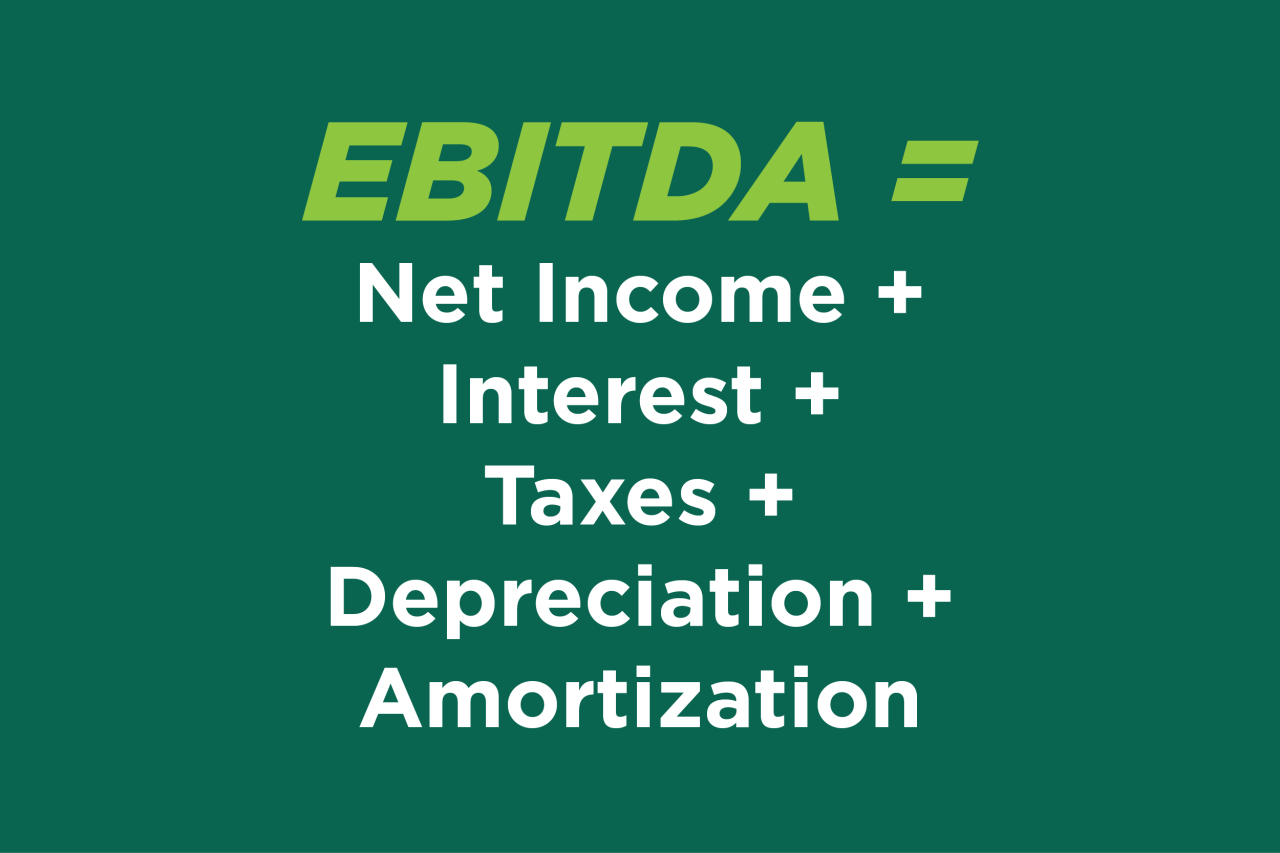
This is a number that evaluates a business’s core operating performance and cash-generating ability. It excludes financing costs, non-cash expenses such as depreciation, and tax environments like location-based corporate taxes. This valuation method is typically used for larger businesses and serves as a simpler way to determine future business cash flows.
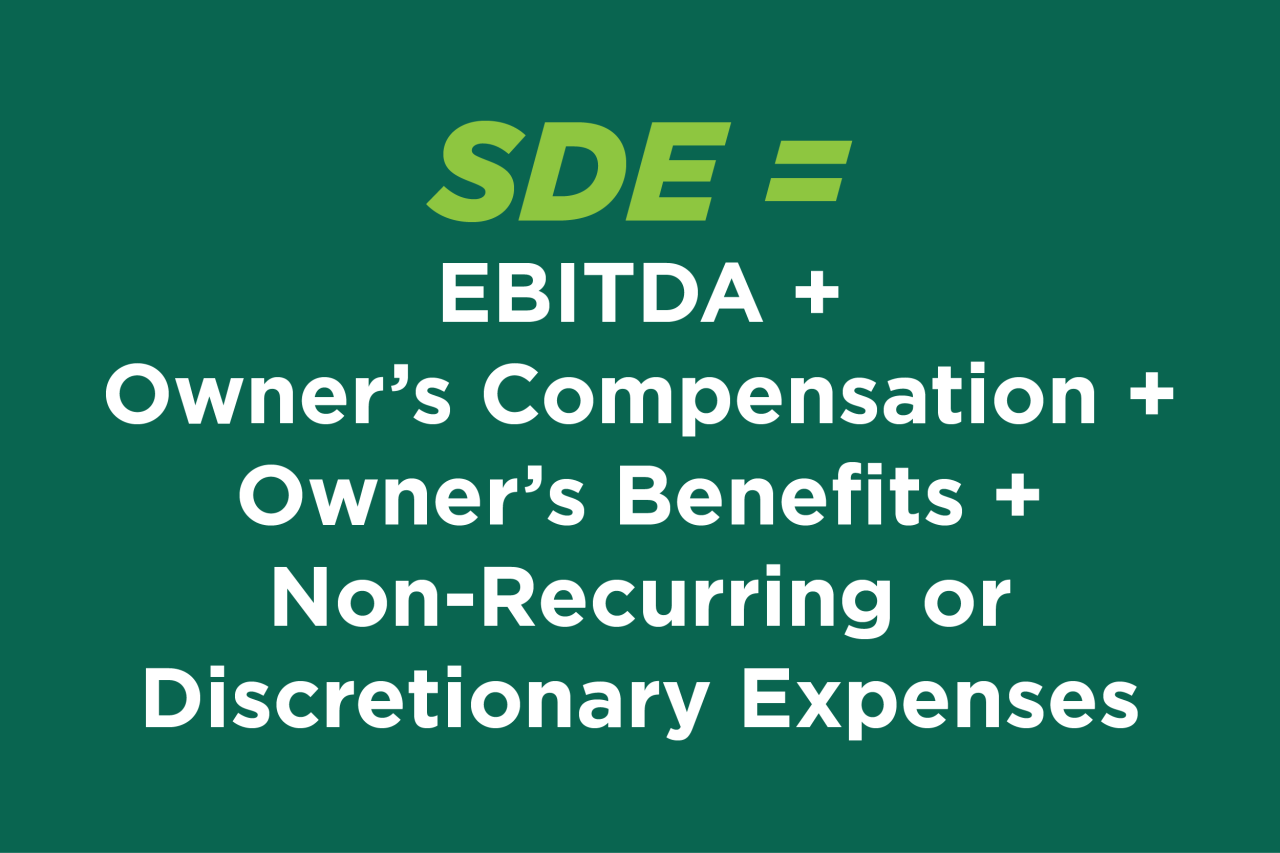
This is a number that represents the net income plus owner compensation, benefits, and non-recurring or personal expenses. It is most commonly used to figure out what the total financial benefit a single owner-operator can receive. This valuation method is typically used for small businesses and is useful because it reveals the total cash a new owner-operator could take from the business upon purchase.
Once a baseline earnings figure is established, a multiple (meaning a factor derived from what similar businesses have sold for) is applied to arrive at an estimated value. That multiple can vary significantly depending on the industry, growth trends, customer concentration, owner dependency, and other risk factors.
Business Value = Multiple × EBITDA (or SDE)
What Increases Your Multiple?
Not all businesses in the same industry sell for the same multiple. Several factors can push your valuation higher:
- Consistent, documented revenue over multiple years signals stability to buyers
- A strong management team that doesn't depend entirely on the owner to function
- Diversified customer base, so no single client represents a dangerous percentage of revenue
- Clean financials that are easy to review and verify during due diligence
- Recurring revenue or contracts that give buyers confidence in future cash flow
Conversely, heavy owner dependency, undocumented processes, or inconsistent financials can compress your multiple and reduce what a buyer is willing to pay.
Deal Structure
Valuation and deal structure are closely connected, and this is where many owners are caught off guard.
An all-cash offer at closing looks different from a deal that includes seller financing, an earnout, or an equity rollover. A buyer offering the full asking price with a complex structure may net you less than a slightly lower offer with clean terms and a faster closing. Understanding the difference between headline price and actual proceeds is a critical part of evaluating any offer.
This is one of the reasons working with an experienced business broker matters!
A BOV (Broker Opinion of Value) gives you a realistic, market-based estimate of what your business may sell for before you enter negotiations, so you're not starting from a number that sets the process up to fail.
Knowing your business's value is useful for planning, for conversations with partners or family, and for making decisions about where to invest your energy in the years ahead.
Working with experts is the best place to start, as there are several ways to calculate a company's value. They will examine your business's assets, liabilities, cash flows, earnings, and other metrics to reach an objective market value.

If you're curious where you stand, Robert Doyle at Sturges Property Group can walk you through the process. With over 20 years of experience across manufacturing, retail, service, and other privately owned businesses, Robert brings the expertise and regional market knowledge to give you a clear, honest picture.